ADVERTISEMENT
A red, itchy, flaky scalp has a way of showing up at the worst possible time—right when life gets busiest. Between travel, gatherings, late nights, and constant activity, it’s easy to overlook small changes in your body until they become impossible to ignore. During the holidays especially, many people suddenly find themselves dealing with irritation they’ve never had before.
Often, it’s not just one thing. Colder weather and indoor heating can dry out the scalp, while stress quietly increases inflammation in the body. Add in new hair products, disrupted routines, and less sleep, and the scalp can quickly become reactive. Even something as simple as switching shampoo or trying a new styling product for an event can trigger irritation.
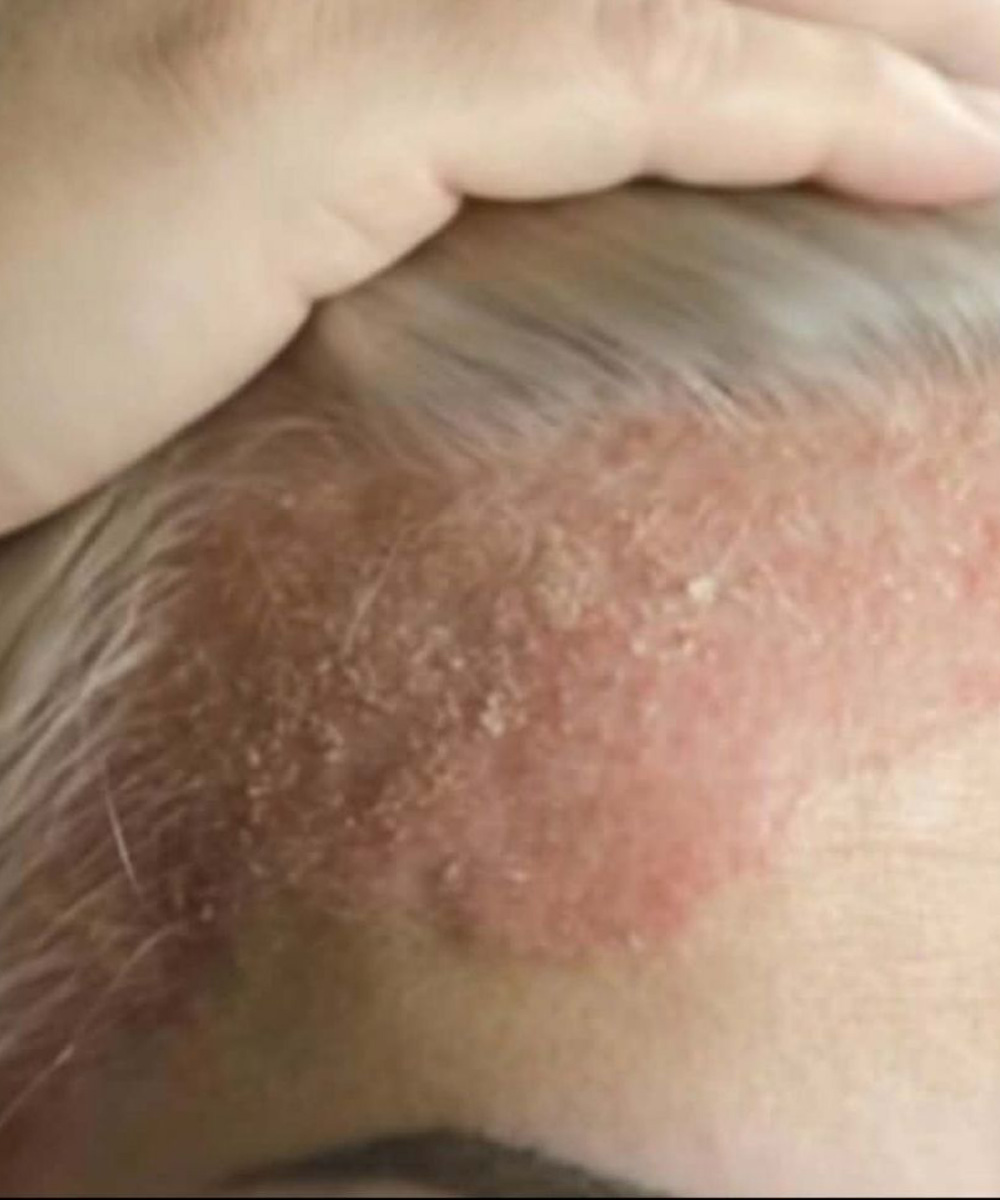
One of the most common causes behind this kind of reaction is seborrheic dermatitis. It tends to show up as redness paired with oily, yellowish or white flakes. While it’s often mistaken for dandruff, it’s actually more persistent and usually linked to an overgrowth of a naturally occurring yeast on the skin. Stress and colder months tend to make it worse, which explains why flare-ups often appear during busy periods.
Then there are other possibilities that can look similar but behave differently. psoriasis, for example, often creates thicker patches with silvery scales and more clearly defined edges. It may extend beyond the scalp to areas like elbows or knees, and it usually requires more targeted treatment.
eczema can also affect the scalp, especially in people with sensitive or allergy-prone skin. In this case, the itching tends to be more intense, sometimes even interfering with sleep, and dryness is a major factor.
Not all causes are medical conditions, though. Sometimes, the issue is simply a reaction. Hair dyes, shampoos, conditioners, and styling products can contain ingredients that irritate the skin—fragrances, preservatives, or harsh cleansing agents. If symptoms appeared after trying something new, that’s often a strong clue.
If you’re looking for something more reliable, over-the-counter shampoos with active ingredients can make a noticeable difference over time. Options containing ketoconazole, selenium sulfide, zinc pyrithione, coal tar, or salicylic acid are commonly recommended. The key is consistency—most don’t work overnight, but they can gradually reduce irritation and flaking.
Still, there are moments when waiting isn’t the best option. If you notice pain, swelling, pus, rapid worsening, or sudden hair loss, it’s important to seek medical attention quickly. These signs may point to infection or a more serious condition that needs prompt care.
A red, itchy scalp can feel frustrating, especially when it appears out of nowhere. But in many cases, it’s manageable once you understand what might be causing it. With a bit of attention, gentle care, and the right treatment, it’s possible to get things back under control—even in the middle of the busiest season.
ADVERTISEMENT
